For seniors requiring daily living assistance, transitioning to an assisted living facility presents a viable option. Selecting between a small residential home and a larger facility involves weighing considerations, though smaller environments offer distinct advantages for many seniors.
1. More Personalized Care
Small residential assisted living homes typically maintain lower caregiver-to-resident ratios. This structure enables staff to develop deeper familiarity with each individual, delivering customized support that responds more effectively to particular preferences and requirements.
2. Homelike Environment
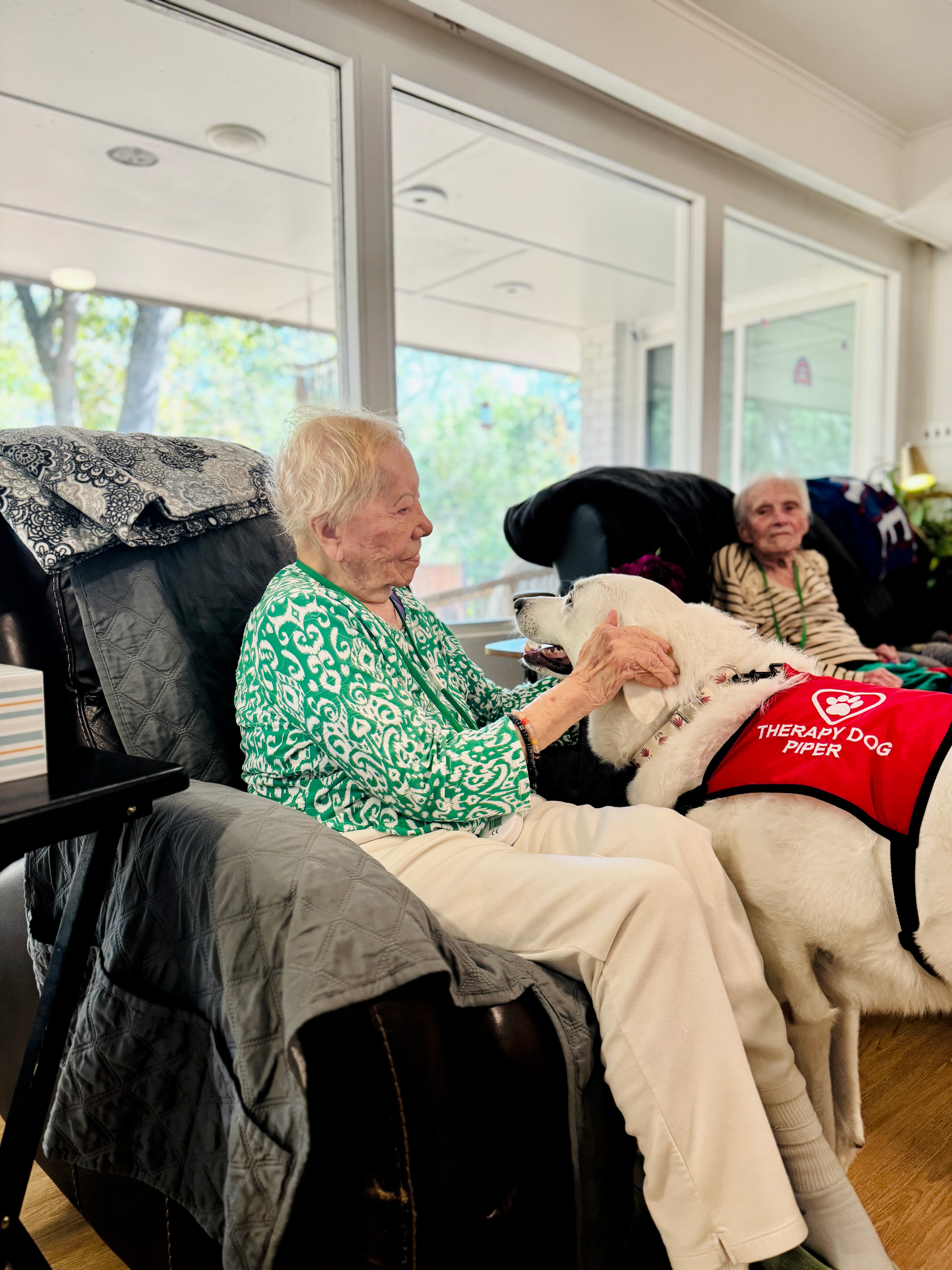
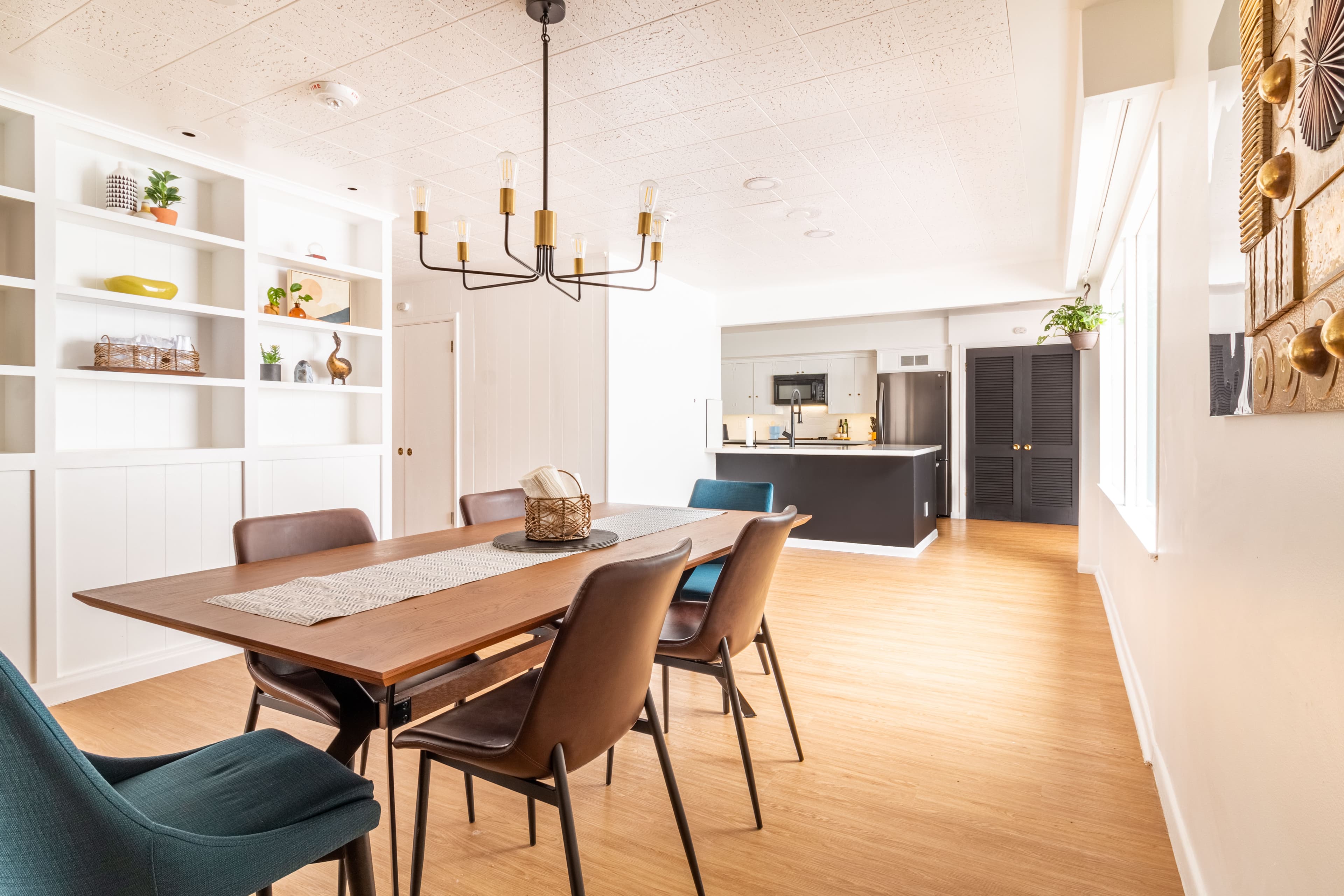
These smaller settings cultivate residential atmospheres that enhance comfort. Reduced occupancy translates to quieter surroundings — particularly beneficial for introverted seniors or those managing dementia or Alzheimer's, where peaceful settings support wellness.
3. Greater Flexibility
Smaller homes accommodate scheduling and dietary adaptations more readily. Staff can adjust meal times, accommodate specialized diets, and modify medication protocols with fewer logistical constraints.
4. Stronger Sense of Community
Reduced populations facilitate interpersonal connections among residents, enabling them to exchange experiences and cultivate meaningful relationships — crucial for combating isolation and loneliness.
5. Family-Like Environment
Small homes foster familial bonds between caregivers and residents, generating belonging and comfort — essential for seniors transitioning from independent living situations.
In Conclusion
While larger facilities have their merits, smaller residential homes provide personalized attention, homelike comfort, operational flexibility, community bonds, and familial atmospheres that support seniors' wellbeing.