Caring for a loved one with dementia or Alzheimer's can be a challenging and emotional experience. Dementia is a progressive disease that affects cognitive function, memory, and behavior, and requires specialized care to ensure the safety and well-being of those affected. In some cases, it may be necessary to consider moving the person to an assisted living home where they can receive 24-hour care from trained professionals.
Challenges of Caring for Someone with Dementia or Alzheimer's
- Memory loss and confusion. People with dementia may experience significant memory loss, which can lead to confusion and disorientation, making it challenging to communicate effectively and perform daily activities of living.
- Changes in behavior and personality. Dementia can cause changes in behavior and personality that can be difficult to manage, including aggression and agitation.
- Caregiver stress and burnout. Caring for someone with dementia can be emotionally and physically exhausting, and can lead to caregiver stress and burnout.
Why Consider an Assisted Living Home
- Increased safety. Assisted living homes are designed to provide a safe and secure environment for people with dementia, with features such as secured entrances and exits, alarms for wandering, and regular safety checks.
- Specialized care. Assisted living homes have trained professionals who are experienced in caring for people with dementia and can provide specialized care and support to meet their unique needs.
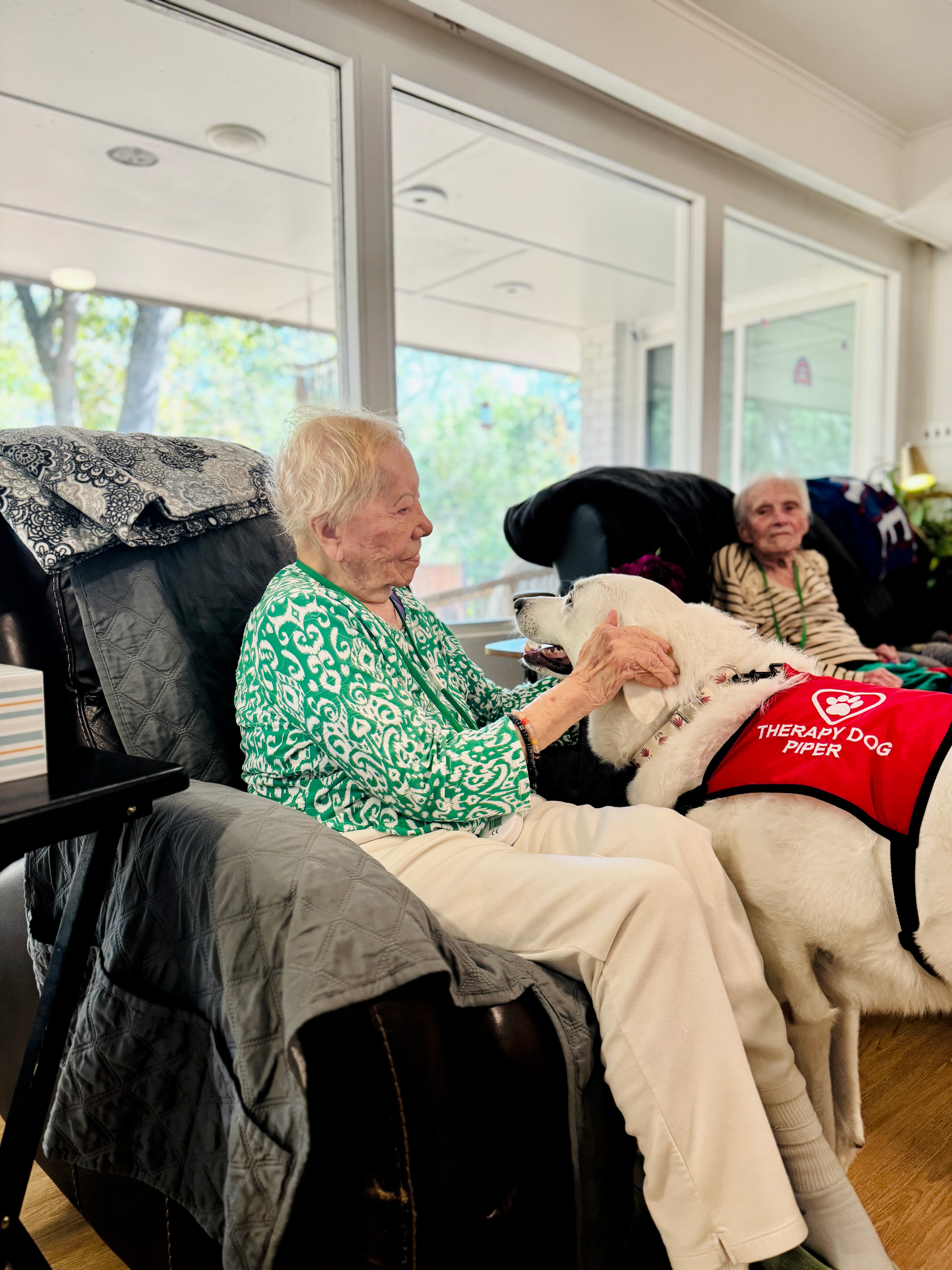
- Social engagement. Assisted living homes provide social engagement and activities that can improve quality of life and reduce the risk of depression and isolation.
- Reduced caregiver burden. Moving a loved one to an assisted living home can allow family members to focus on spending quality time together, without the stress and exhaustion of providing round-the-clock care.
Tips for Caring for Someone with Dementia or Alzheimer's
- Create a safe and supportive environment. Ensure the environment is free of hazards, with familiar objects, routines, and activities.
- Provide effective communication. Use clear and simple language, and communicate with patience and empathy.
- Encourage social engagement. Activities such as music therapy, art therapy, and reminiscence therapy promote socialization and cognitive function.
- Seek professional help. Lean on healthcare professionals, dementia care experts, and support groups to ensure the best possible care for your loved one.
In Conclusion
Caring for someone with dementia or Alzheimer's is a significant challenge that requires specialized care and attention. While it may be difficult to consider moving a loved one to an assisted living home, it may be the best way to ensure their safety, well-being, and quality of life.